Unhurried by Design: The Intentional Rhythms That Define a Bespoke Studio's Year
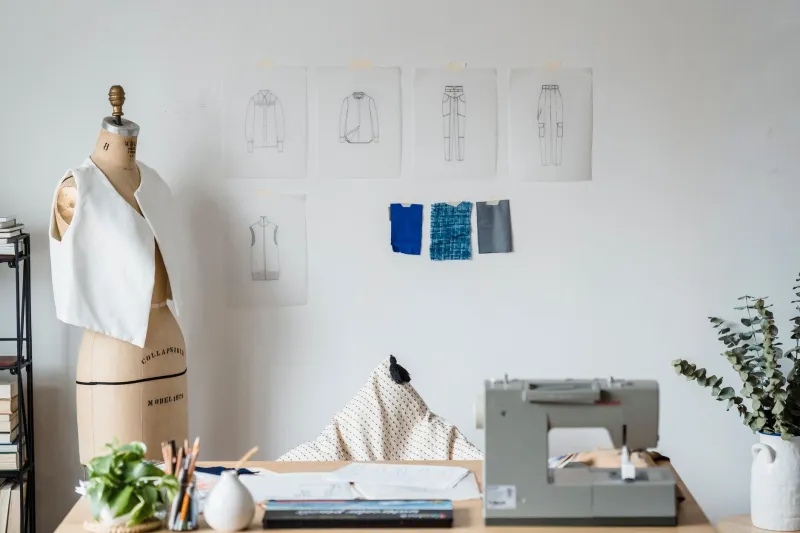
Open any fashion publication in January, and you will find breathless coverage of resort collections, pre-fall previews, and the season's emerging color palette. The industry's calendar is relentless, its appetite insatiable. Yet step inside a bespoke design studio—one genuinely devoted to custom creation—and you will encounter something almost foreign to modern commerce: deliberate stillness.
This stillness is not absence. It is not the quiet of a studio that has fallen behind or a designer who lacks ambition. It is, rather, the silence of concentrated intention—the kind that precedes every meaningful act of making.
At Liata Vigail Design, the studio year is structured around cycles rather than collections. That distinction, though subtle in language, is profound in practice. Understanding why bespoke designers work this way—and what it produces—offers a rare window into a mode of creation that commercial fashion has largely abandoned.
The Collection Trap
The conventional fashion calendar was not designed with craft in mind. It was designed with retail in mind. Twice-yearly collections, supplemented by pre-season drops and capsule releases, exist to generate consistent commercial momentum. Each new offering must be distinct enough to justify coverage yet familiar enough to sustain brand recognition. It is, at its core, a publishing schedule applied to clothing.
For ready-to-wear labels, this rhythm is functional, even necessary. But for a bespoke studio, it represents a fundamental misalignment between process and output. Custom work does not emerge from trend forecasts or wholesale buying appointments. It emerges from a specific person, a specific vision, and a specific set of conversations that unfold over weeks or months.
To impose a collection schedule onto that process would be to prioritize the calendar over the client—and, ultimately, over the work itself.
What a Cycle Actually Looks Like
Bespoke studios tend to organize their year into what might best be described as phases of engagement. These phases vary by studio and by the nature of the work, but they share a common logic: each period of active creation is preceded by a period of listening, and followed by a period of reflection.
The first phase is consultation and intake. For a fashion studio, this might coincide loosely with early spring and early fall—not because those seasons dictate the work, but because clients themselves often think in seasonal terms. A commission begun in March might be intended for a summer occasion; one initiated in September might be oriented toward the winter holidays or a spring wedding. The studio meets clients where their lives are, rather than where the industry's calendar dictates.
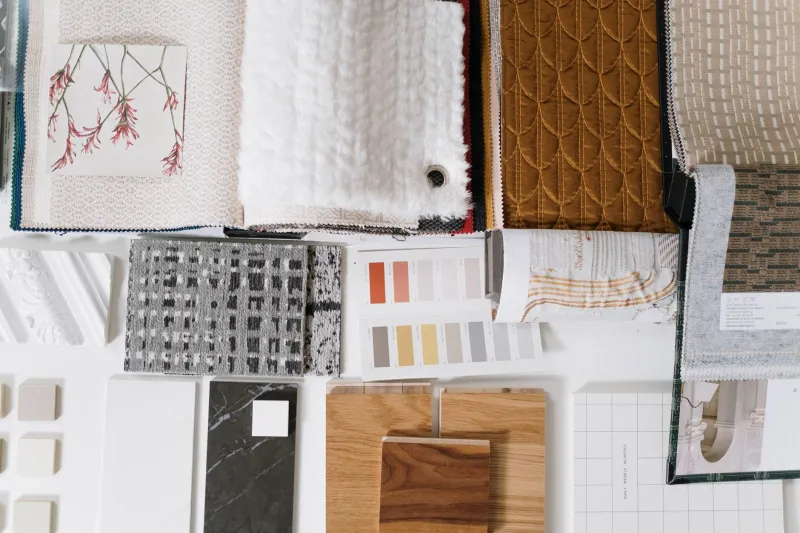
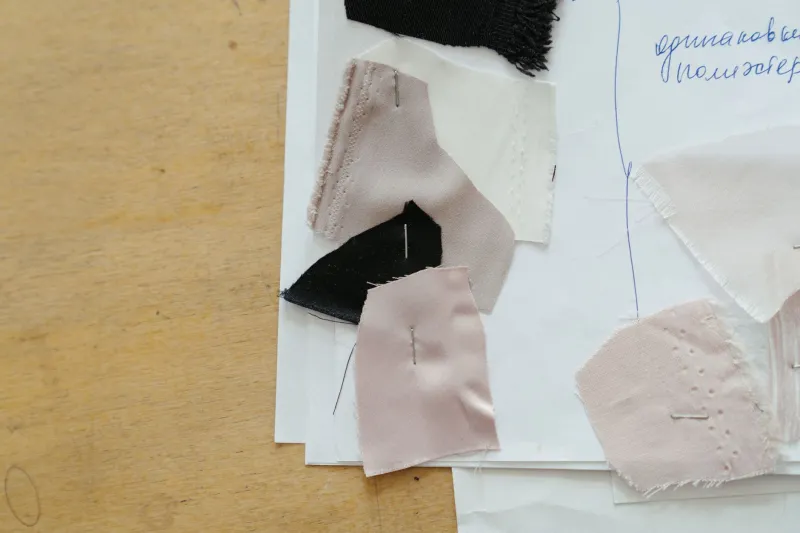
The second phase is development. This is where research, material sourcing, pattern-making, and initial fittings occur. In a bespoke context, development is rarely linear. A fabric arrives and reveals an unexpected drape that shifts the silhouette. A client returns for a second consultation with a photograph that reframes the entire direction. The work responds and evolves. Timelines are held loosely, with respect for both the maker's process and the client's evolving vision.
The third phase is completion and delivery—the moment the work enters the world. But even this is not an endpoint so much as a transition. A well-made bespoke piece carries with it a relationship: the client returns, the studio learns, and the next commission begins with a deeper foundation of mutual understanding.
The Quiet Between Projects
Perhaps the most misunderstood aspect of bespoke studio life is what happens in the intervals. To an outside observer, a studio that is not producing visible output might appear dormant. In reality, these periods are among the most generative in the creative cycle.
This is when a designer studies. New techniques are explored, historical references are revisited, and materials are handled without the pressure of an impending deadline. It is also when the studio reflects on what the previous cycle produced—what succeeded, what fell short, and what questions remain unanswered.
In the American cultural context, where productivity is often measured in visible output, this kind of reflective pause can be difficult to explain or justify. The hustle narrative is deeply embedded in how we understand creative work. But the most enduring design—the kind that clients commission not once but repeatedly, the kind that becomes a signature of their identity—does not emerge from relentless production. It emerges from the accumulation of unhurried thought.
Why This Pace Protects the Work
There is a practical dimension to the bespoke studio's deliberate rhythm that extends beyond philosophy. Custom creation is technically demanding in ways that mass production is not. A single garment may require dozens of hours of skilled hand work. An interior commission may involve coordinating artisans across multiple disciplines over the course of a year. A graphic identity project may require research into a client's history, values, and aspirations before a single mark is made.
When time is compressed, these processes are the first to suffer. Fittings are shortened. Sourcing becomes reactive rather than considered. The maker's attention is divided. The resulting work may be technically accomplished, but it will lack the quality of full presence—that ineffable sense, detectable in finished pieces, that every decision was made with complete care.
Working in cycles protects against this erosion. By limiting the number of active commissions at any given time, a bespoke studio preserves the conditions under which genuine craft is possible. This is not a luxury afforded by success; it is a prerequisite for the quality that makes success meaningful.
Reading the Room Before the Season Turns
One of the quieter advantages of the bespoke cycle is the intelligence it generates over time. Because studio designers work closely with a select group of clients across multiple seasons, they develop an unusually nuanced understanding of how those clients' lives, tastes, and needs evolve. This longitudinal perspective is something no trend report can replicate.
A client who commissioned a structured blazer three years ago may return with a different sense of her own authority. A client who once prioritized visual impact may now be drawn toward restraint. These shifts are visible only to someone who has been paying close attention—and a bespoke studio, by the nature of its work, is always paying close attention.
This attentiveness loops back into the creative process. The studio's work deepens not despite the slower pace, but because of it.
An Invitation to a Different Relationship with Time
For clients accustomed to the immediacy of contemporary retail—the ability to see, purchase, and receive something within days—commissioning bespoke work requires a genuine reorientation. It asks for patience, for trust, and for a willingness to participate in a process that cannot be accelerated without consequence.
What it offers in return is something the seasonal churn cannot provide: a piece, a space, or an identity that was made entirely for you, by someone who gave it their complete and unhurried attention.
The silence between seasons, it turns out, is where the most important work happens.